Resource Collection

Phenomenon-based science lessons and driving questions

Use this index to plan phenomenon-based learning, inquiry routines, and discussion-ready science lessons for your classroom. Each card highlights the unit Driving Question(s) so you can quickly choose the lesson that fits the student question, real-world phenomenon, or class discussion you want to build around.

Unit driving questions

Unit

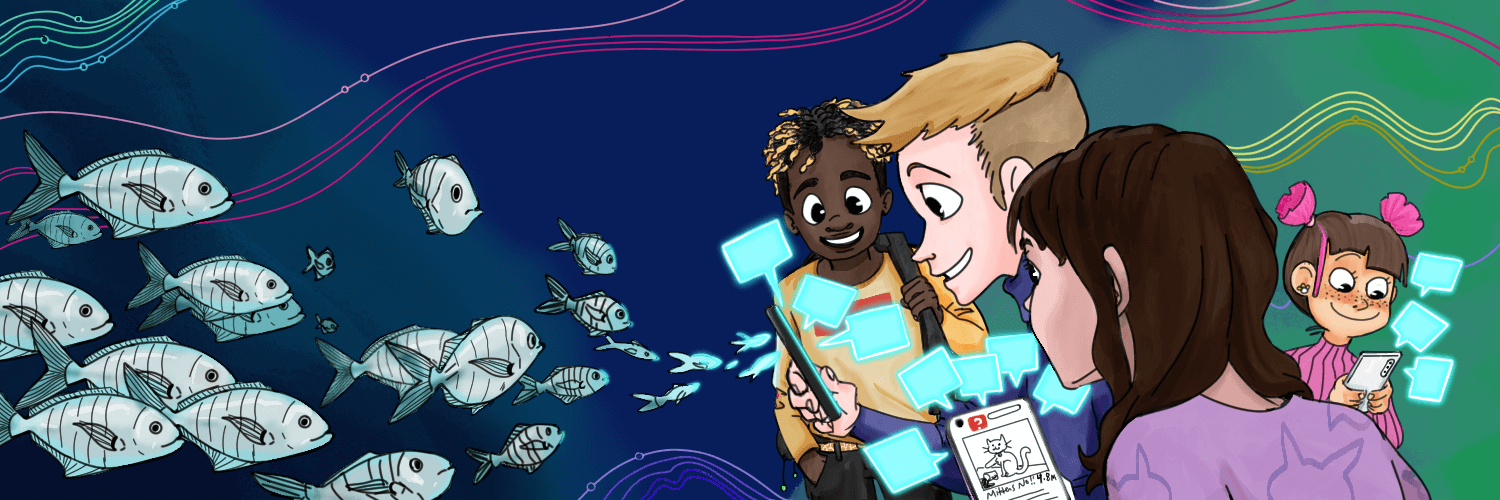
Animal Collective: How group behavior can produce surprising problems—and solutions!
Grades

6-University

Subject

Science

Animal Collective unit banner

Questions

3 questions

  1. Why do humans and other animals live in groups?

  2. How do simple behavioral rules lead to emergence of novel properties at the group level? (i.e. How do animal flocks, market trends, and viral videos emerge from animal collective behaviors?)?

  3. How do scientists use computer simulations and other tools to study emergence?

Open unit

Unit

Balancing Act: Tradeoffs in frogs, humans, and other animals

Grades

9-12

Subject

Science

Balancing Act unit banner

Questions

3 questions

  1. How do trade-offs in how organisms use limited energy and time affect survival and reproduction?

  2. How do performance thresholds influence mate selection?

  3. What insights can we gain about natural selection in Gray Tree Frogs (Hyla versicolor) from the research findings of Dr. Reichert?

Open unit

Unit

Bioinspired Design: Looking to Biology for Better Solutions

Grades

8-University

Subject

Science

Bioinspired Design unit banner

Questions

2 questions

  1. How can we use organismal adaptations to design better engineering solutions?

  2. What products in our daily lives could be more sustainable, functional, or aesthetically pleasing?

Open unit

Unit

Colorful Solutions: Chemical Engineering Dyes to Brighten Lives

Grades

8-12

Subject

Science

Colorful Solutions unit banner

Questions

1 question

  1. How have different dye technologies been used to produce colorful clothing across cultures and over time?

Open unit

Unit

Electric Crystals: Exploring how crystal symmetry can power everyday life

Grades

7-12

Subject

Science

Electric Crystals unit banner

Questions

2 questions

  1. What are crystals and how do they form?

  2. How is molecular microstructure connected to functionality and properties we can easily observe?

Open unit

Unit

Fairywrens and the Art of Inquiry: How do scientists pick a question to study?

Grades

6-8

Subject

Science

Fairywrens and the Art of Inquiry unit banner

Questions

2 questions

  1. How do scientists pick a question to investigate?

  2. How does a scientific question develop while collecting data?

Open unit

Unit

Females singing to be heard: Challenging long-held assumptions about birdsong through data visualization

Grades

5–8 & 9–12

Subject

Math

Females singing to be heard unit banner

Questions

1 question

  1. What is the best way to visualize data?

Open unit

Unit

Future Foods: Can we reduce the carbon footprint of our favorite meals?

Grades

6-9

Subject

Science

Future Foods unit banner

Questions

3 questions

  1. What is a carbon footprint?

  2. What stages of production (from farm to table) have the biggest impact on the carbon footprint of foods?

  3. What are possible solutions to minimize the impact of our food supply on climate change?

Open unit

Unit

Genetic Rescue to the Rescue: Preventing extinction through gene flow

Grades

9-12

Subject

Science

Genetic Rescue to the Rescue unit banner

Questions

1 question

  1. Can genetic rescue (a conservation strategy involving movement of individuals across populations) prevent the extinction of endangered species?

Open unit

Unit

Guardian Frogs of Borneo: Why Exceptions Matter in Biology and Everyday Life

Grades

5-9

Subject

Science

Guardian Frogs of Borneo unit banner

Questions

2 questions

  1. Across animal species, is there truth to the stereotype that males are “competitive,” while females are “caring”, or is this an oversimplification?

  2. Are the smooth guardian frogs of Borneo the first known species of frog with “competitive females” and “caring males”?

Open unit

Unit

Heard That Bird: A Pop Culture Intro to Birding by Ear

Grades

6-12

Subject

Science

Heard That Bird unit banner

Questions

3 questions

  1. What natural sounds surround us as we go about our daily lives?

  2. What can bird sounds teach us about human emotion and communication?

  3. How can spectrograms (sound visualizations) be used to help us identify birds in the environment?

Open unit

Unit

Hybrid Zones: Evolution's Testing Grounds

Grades

8-12

Subject

Science

Hybrid Zones unit banner

Questions

3 questions

  1. What is hybridization and how does it impact evolution?

  2. Is hybridization good, bad or neutral?

  3. How is climate change impacting hybridization and evolution?

Open unit

Unit

I Like That!: How perception, emotion, and cognition shape our preferences

Grades

5-9

Subject

Science

I Like That! unit banner

Questions

2 questions

  1. What makes humans and other animals perceive something as beautiful?

  2. How does the way our brain processes visual input from our eyes affect how we perceive and interact with the world?

Open unit

Unit

Mā te rauhiringa tātou e ora: Powerful Solutions: How do we provide sustainable energy to communities?

Grades

9-13

Subject

Science

Mā te rauhiringa tātou e ora: Powerful Solutions unit banner

Questions

3 questions

  1. What is “energy” and where does it come from?

  2. How is energy produced in New Zealand and in other countries around the world?

  3. How does energy consumption impact the environment?

Open unit

Unit

Micro Matchups: A multimedia-rich exploration of protists

Grades

6-8

Subject

Science

Micro Matchups unit banner

Questions

3 questions

  1. What is a protist?

  2. What do ecological interactions, like predation, look like in protist ecosystems?

  3. How is climate change affecting protist ecosystems?

Open unit

Unit

Pacific H2O: A Choose-Your-Own STEM Adventure

Grades

9-13

Subject

Science

Pacific H2O unit banner

Questions

3 questions

  1. In what ways do you and your community rely on clean water?

  2. What technologies do engineers use to purify water and how can we use them in the classroom?

  3. How do Pacific Island nations, surrounded by saltwater, provide fresh, clean water to the public?

Open unit

Unit

Photon Engineers: Tinkering with Light

Grades

6-9

Subject

Science

Photon Engineers unit banner

Questions

2 questions

  1. How can light be used to measure, transmit, and control information?

  2. How does light behave in various media?

Open unit

Unit

SciJourneys: Building Resilience in Science

Grades

6–10

Subject

Science

SciJourneys unit banner

Questions

2 questions

  1. Understand that how science works is diverse, dynamic, and requires resilience.

  2. Practices and approaches that scientists take are not distinct from, and often draw upon, skills cultivated through arts and humanities?

Open unit

Unit

The Science of Craft: Building New Materials with Old Techniques

Grades

6-9

Subject

Science

The Science of Craft unit banner

Questions

3 questions

  1. How does shape give a material new properties?

  2. Can we use geometry to predict structure?

  3. Where do the principles of mechanics and motion show up in the materials we use every day?

Open unit

Unit

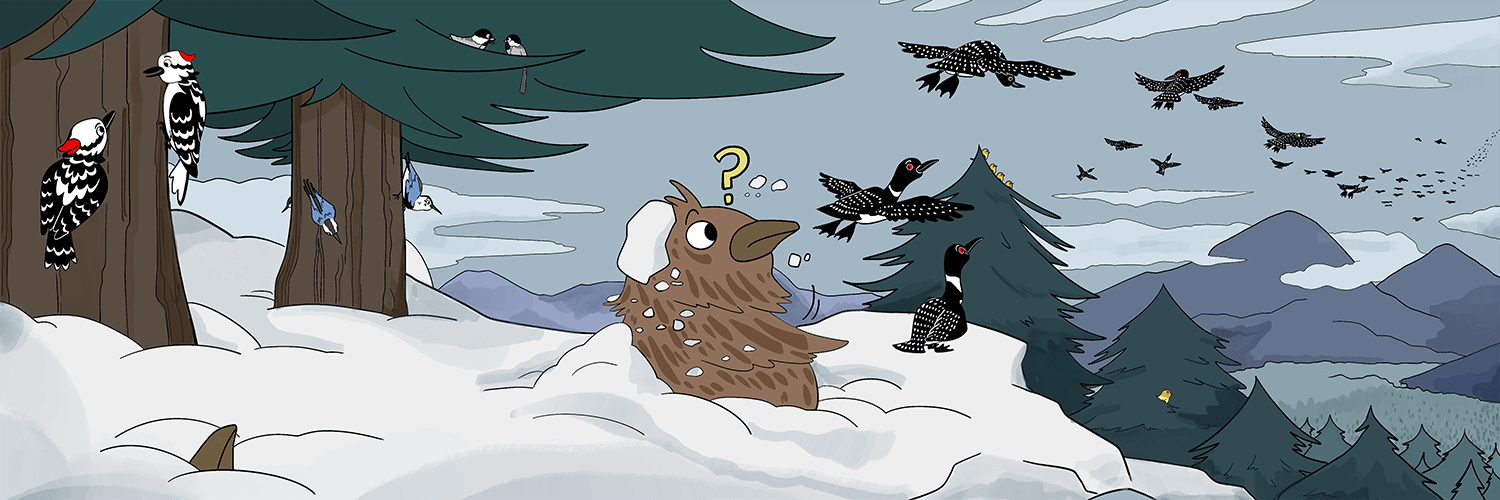
What Do Birds Do in Winter?: A data-driven investigation of remarkable adaptations

Grades

6-8

Subject

Science

What Do Birds Do in Winter? unit banner

Questions

2 questions

  1. How do birds cope with the cold?

  2. How does temperature affect the feeding patterns of birds over the winter?

Open unit

Frequently asked questions

What is a phenomenon in science teaching?

In science teaching, a phenomenon is an observable event or pattern in the real world that students can notice, wonder about, and try to explain. A phenomenon might be something local and concrete, like erosion on a schoolyard hill, or something large-scale, like shifting climate patterns.

What is phenomenon-based learning, and why is it important?

Phenomenon-based learning starts with something students can observe or make sense of, then builds science learning around the questions and explanations that follow. It matters because it gives students a reason to learn the content: they are not just covering topics, they are using ideas and evidence to explain something real.

How do Galactic Polymath units reflect phenomenon-based learning?

Galactic Polymath units are built around real research, real data, and real-world contexts that give teachers strong material for phenomenon-based instruction. This page showcases the unit Driving Question(s) rather than listing the full phenomena directly, because the driving question is usually the clearest planning signal for a teacher deciding which unit best fits a classroom investigation or discussion sequence.

What is a Driving Question, and how is it related to a phenomenon?

A Driving Question is the central question that guides a lesson or unit investigation. In phenomenon-based learning, the phenomenon creates the need for explanation, and the Driving Question gives students and teachers a clear way to pursue that explanation through discussion, evidence, modeling, and investigation.

Related collections

Need a wider search?

Get Support

Let us know how we can help.